
 Helen A. Sanders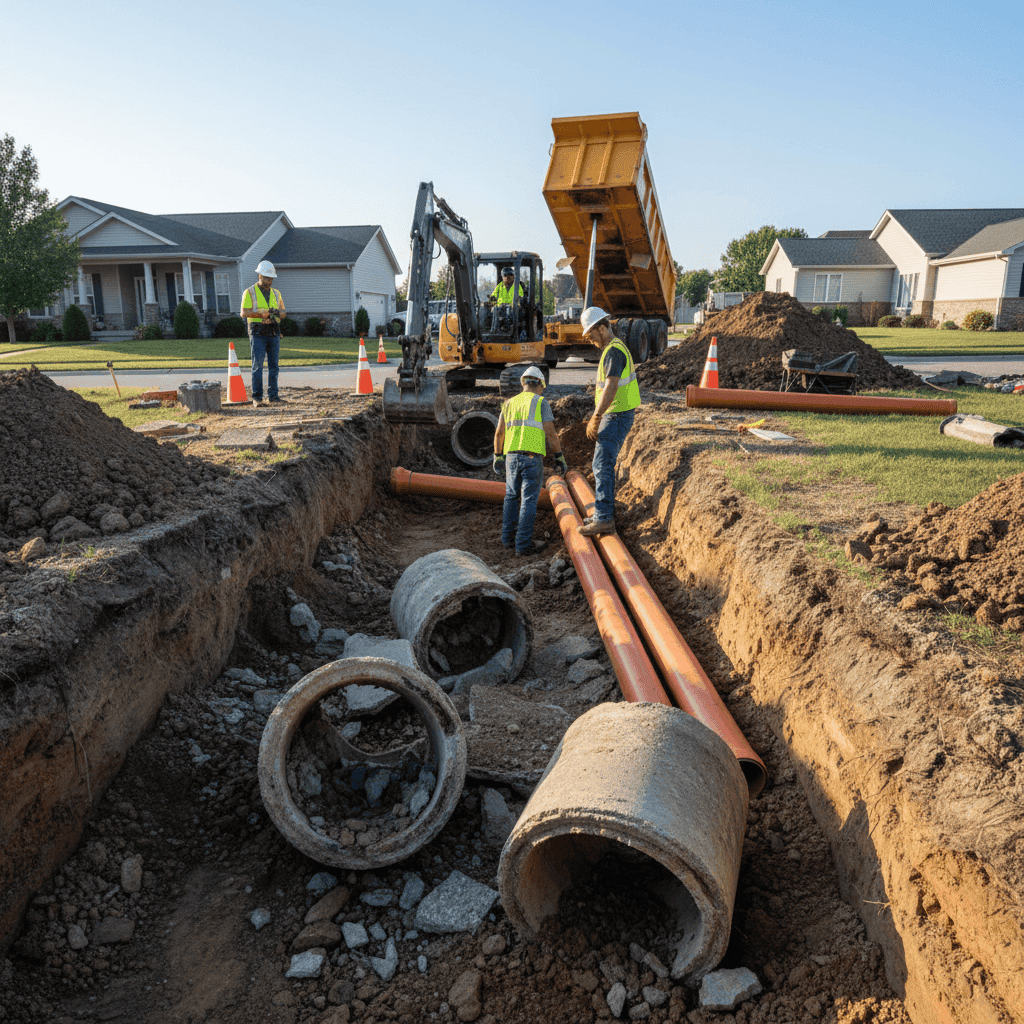
Knowing when sewer lines need replacement can save homeowners serious expense and a lot of stress. Small signs often appear well before a full collapse, and recognizing them early means planning repairs on your schedule instead of responding to a sudden emergency. This article outlines the common warning signs, causes, inspection methods, repair options, and what to expect during a replacement so you can make informed choices.
Whether you own an older house or a newer build, understanding the life span of common pipe materials and the options available for renewal helps you protect property value and health. I will offer practical tips, cost considerations, and examples from real situations so you can spot issues, talk to contractors with confidence, and choose a repair path that matches your yard and budget.
Common warning signs that indicate sewer lines need replacement
Several distinct signs suggest the main sewer line is failing rather than a simple clogged trap. Look for persistent slow drains in multiple fixtures, repeated backups, foul sewer odors around drains or in the yard, and wet patches or sinkholes on the lawn. If multiple drains inside the home are slow at the same time, the main line is often the cause rather than individual branch pipes.
In older properties, unusual sounds like gurgling in toilets, or toilets that rise when another fixture is used, are red flags. These symptoms often point to a break or clog in the main pipe that is preventing normal flow and allowing air to move back through drains.
Common causes behind sewer line failure
Understanding what causes sewer lines to fail helps with prevention and selecting the best repair technique. Typical causes include tree root intrusion, corrosion of metallic pipes, soil movement and settling, freeze thaw cycles, and poor original installation. Roots exploit tiny joints or cracks and then expand, crushing or displacing pipes as they grow.
Material matters more than many homeowners realize. Clay and cast iron pipes were common decades ago and tend to fail after several decades. Modern PVC and HDPE resist corrosion, but poor jointing or heavy ground movement can still cause leaks or breaks.
How inspections determine whether replacement is required
Before deciding to replace a sewer line, technicians perform a camera inspection using a sewer camera that runs through the line and records video. This inspection reveals exact locations of cracks, collapses, offset joints, and root intrusions. A camera report is useful when comparing repair options and for obtaining accurate cost estimates.
What a camera inspection shows
A camera inspection gives a clear view of the interior condition of the pipe, including leaks, holes, sags that collect debris, and breaks. It also helps locate the depth and orientation of the pipe so contractors can plan either a trench excavation or a trenchless method.
When a pressure test or dye test is useful
In addition to a camera, technicians sometimes use pressure testing or dye testing to confirm leaks or cross connections to storm drains. These methods add diagnostic data when water infiltration into the home or foundation is suspected.
Repair options and how to choose between them
There are two main paths when the sewer line is damaged repair without replacement or full replacement. Repair methods include spot repairs, pipe lining also called cured in place pipe, and pipe bursting or full excavation and replacement. The right choice depends on the extent of damage, pipe material, pipe slope, and your property layout.
- Spot repair works when a small section has failed and the rest of the line is in usable condition.
- Pipe lining involves inserting a resin saturated sleeve that cures to form a new pipe within the old pipe and is a trenchless option when the existing line is intact enough to host the sleeve.
- Pipe bursting replaces the entire pipe by breaking the old pipe apart while pulling a new pipe into place, another trenchless approach that reduces surface disruption.
- Full excavation replacement removes the old pipe and installs a new one along the original trench, which is the most invasive but sometimes the only option when the line has collapsed or been shifted by soil.
Choosing between trenchless and open trench methods often comes down to the length of damaged pipe, tree locations, landscaping that would be costly to remove, and budget. Trenchless methods reduce lawn and driveway damage, but they can be more expensive per foot depending on site conditions.
Typical costs and timelines for replacement work
Costs vary by region, pipe depth, distance to the main sewer connection, and chosen method. As a general guide, spot repairs and lining tend to cost less than full replacement for short runs under ideal conditions. Full excavation can be less expensive per foot in simple situations but adds landscaping and restoration costs.
Timelines depend on scope. A camera inspection and estimate can be completed in a day. Trenchless repairs often take one to three days for average residential runs. Full excavation and replacement may take several days to a week or longer if permits are required and soil conditions complicate digging.
Practical tips for preparing for a replacement job
Before work starts clear the work area of vehicles, outdoor furniture, and breakable items. Mark underground utilities by contacting your local utility locator service. Ask the contractor for a site plan that shows staging areas and where equipment will arrive. If you have valued landscaping or irrigation systems, point those out to the crew so they can protect or avoid them when possible.
During the project expect noise and vibration when heavy equipment is used, and be ready for periods when water service may be shut off temporarily. Get a written estimate that lists all components of cost including excavation, pipe material, restoration, and any permits so there are no surprises.
How to choose the right contractor for sewer work
When sewer lines need replacement choose a contractor with verifiable experience and clear references. Ask for before and after photos of similar jobs, a copy of the camera inspection report, and proof of insurance and licenses required by your local jurisdiction. A reputable contractor will explain pros and cons of trenchless versus open trench options and why one is recommended for your site.
Get multiple estimates when possible and compare them not just on price but on scope and warranties. Ask about warranties for both materials and workmanship. A fair warranty for a replacement often covers the pipe and installation for several years, and reputable companies will provide documentation in writing.
Preventive steps to extend the life of a new sewer line
After replacement take steps to reduce risk of future failure. Avoid planting trees directly over sewer lines to prevent root intrusion. Schedule periodic camera inspections every few years or after major landscaping work to catch small issues early. Practice careful disposal habits by never flushing grease, coffee grounds, or nonbiodegradable items, and use strainers in sinks to reduce solids entering the system.
Consider a maintenance plan with a local service that includes routine cleaning and scheduled inspections. Regular hydro jetting removes grease and small root intrusions before they turn into major blockages, and it is less invasive than repeated repairs.
When to call a professional and what questions to ask
If you notice recurring backups, sewage odors outdoors, or visible wet areas in the yard call a plumbing or drainage professional promptly. Ask for a camera inspection and a written diagnosis. Specific questions that help you compare bids include what pipe material they recommend why that material is preferred how deep the new line will be and what disruptions to expect during work.
Also ask about permits needed for sewer work in your area and whether the contractor will obtain them. Confirm disposal procedures for excavated material and old pipe sections and ask for a timeline with milestones so you know when key stages such as inspection completion and final grading will occur.
Replacing a main sewer line is a significant project that protects your home and property value. Recognizing early warning signs and choosing the right inspection and repair strategy saves money over time. If you need local service for a full replacement or to review your options for less invasive methods visit sewer line replacement for details and contact information. Gathering multiple estimates and confirming credentials helps you select a qualified contractor who stands behind their work.
In summary, watch for slow drains in multiple fixtures repeated backups persistent odors and wet spots in the yard as early indicators that the main sewer line may be failing. A camera inspection is the most reliable way to determine the condition of the pipe and to choose between spot repairs pipe lining pipe bursting and full excavation. Prepare for the job by clearing the site marking utilities and getting a detailed written estimate that lists both repair tasks and restoration work. After replacement protect the new pipe by avoiding planting trees over the line scheduling periodic inspections and keeping hazardous materials out of the system. If you have signs of a failing line act promptly to limit damage and cost. Contact a licensed local drainage contractor to schedule an inspection and to compare repair options so you can plan work at a convenient time and protect your property for years to come.


