
 Helen A. Sanders
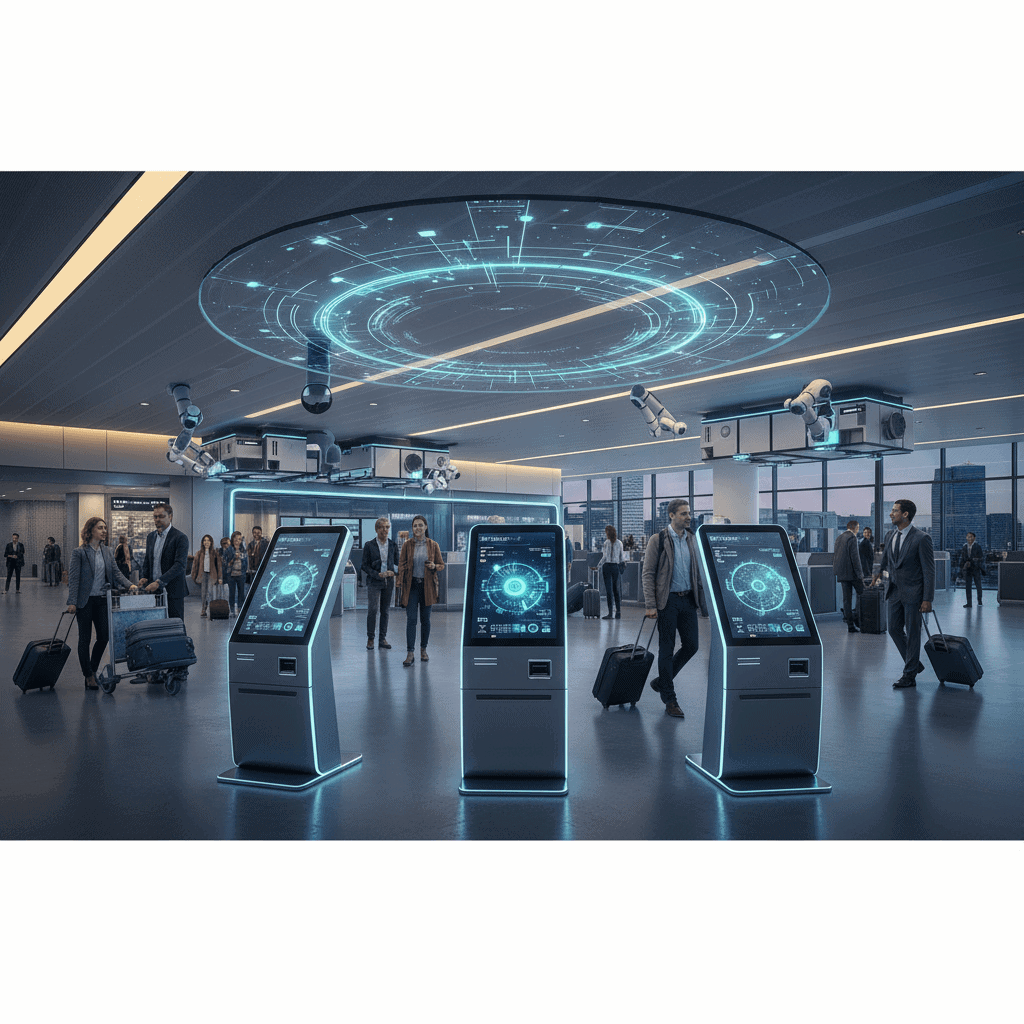
The world around us keeps moving faster and faster. We see technology everywhere, making our lives easier and more efficient. One area where this is very clear is in automated service points. These points provide goods or services without needing constant human interaction, and they are becoming a bigger part of our daily routines.
Think about grabbing a coffee from a smart vending machine or checking out groceries at a self-service kiosk. These are all examples of automated service points. Optimizing automated service points is about making these systems work as smoothly and effectively as possible. This means better experiences for customers and more success for businesses.
As someone who observes business trends closely, I believe understanding how to improve these automated systems is key. It helps businesses stay competitive and meet changing customer demands. We need to look at everything from where these points are placed to the technology they use and how customers interact with them.
Understanding the Landscape of Automated Service Points
Automated service points are self-sufficient systems designed to deliver a specific service or product. They remove the need for human staff in many common transactions. This shift has changed how businesses operate and how customers get what they need. I have seen their presence grow significantly in retail and food service.
These points offer convenience around the clock. They can operate 24 hours a day, 7 days a week, often in places where traditional stores cannot. This accessibility is a major benefit for both consumers and businesses looking to expand their reach without huge overhead costs.
Types of Automated Service Points
When we talk about automated service points, many different types come to mind. Vending machines for snacks and drinks are the classic example. But this category also includes self-checkout kiosks in supermarkets, automated parcel lockers for deliveries, and even digital information terminals in public spaces. Each type serves a unique purpose.
Modern examples go even further. Automated car washes, self-service gas pumps, and even robotic coffee makers are all part of this growing ecosystem. The goal is always to provide a service quickly and without hassle. They must make things simple for the end user.
Why Automation Matters Now
The push for automation is strong because it brings many advantages. Businesses can reduce labor costs significantly. This helps them manage budgets and allocate resources to other important areas. Automation also makes operations more consistent. Machines do not have bad days or make human errors.
From a customer perspective, speed and convenience are huge draws. People expect fast service today. Automated points deliver that. They also provide flexibility, giving customers control over their transactions. This makes them a preferred choice for many busy individuals.
Strategic Placement for Maximum Impact
Where you put an automated service point is incredibly important. A perfectly designed machine in the wrong spot will fail. Conversely, a basic machine in a prime location can thrive. This is about understanding human traffic patterns and consumer behavior. I always emphasize location as the first rule of success for these services.
It is not enough to just pick a busy spot. You need to consider the type of service you offer and who your target customer is. A coffee machine might do well near an office building. A locker for package pickup needs to be in a residential area. These choices are strategic.
Researching High-Traffic Areas
Finding high-traffic areas is the starting point for effective placement. Airports, train stations, shopping malls, and large office complexes are often excellent choices. These places naturally have a steady flow of people throughout the day. Analyzing foot traffic data can help pinpoint the best spots within these locations.
We also look at event venues and tourist attractions. These locations see seasonal or temporary spikes in visitors. Placing automated services there can capture demand during peak times. The key is understanding the rhythm of a location.
Considering Demographics and Needs
Beyond just traffic, understanding the demographics of an area is crucial. Who are the people passing by? What are their typical needs? A university campus might need study supplies and quick meal options. A hospital could benefit from healthy snacks and charging stations.
Matching the service to the audience is essential for strong sales and customer satisfaction. This is where researching potential vending machine locations really pays off. Think about the specific problems your automated service can solve for people in that particular spot. It makes a big difference.
Leveraging Technology for Operational Efficiency
Modern automated service points are not just simple coin-operated machines anymore. They are complex technological systems. Embracing the latest technology is vital for optimizing their performance. This includes everything from how they track stock to how they predict maintenance needs.
Smart technology allows for remote management and monitoring. This means businesses can oversee many units from a central location. It significantly reduces the time and effort needed to keep these services running smoothly. I have seen firsthand how powerful this can be for scaling operations.
Inventory Management Systems
Efficient inventory management is at the heart of any successful automated service. Running out of popular items means lost sales and unhappy customers. Modern systems use sensors and real-time data to track stock levels precisely. They can even send alerts when certain items are low.
Some systems can automatically reorder products from suppliers. This streamlines the entire supply chain. It minimizes manual checks and ensures that machines are always well-stocked. This proactive approach prevents downtime and keeps customers coming back.
Predictive Maintenance and Analytics
Beyond inventory, technology also helps with maintenance. Predictive maintenance uses data to forecast when a machine might need servicing. This means we can address potential issues before they cause a breakdown. It is much better than waiting for a problem to occur.
Analytics tools provide deep insights into how automated service points perform. We can track sales trends, popular products, and even peak usage times. This data helps us make informed decisions about product offerings, pricing, and operational adjustments. It turns raw data into actionable strategies.
Enhancing Customer Experience at Automated Points
A great customer experience is paramount, even with automated services. If a machine is difficult to use or has limited payment options, customers will look elsewhere. We must design these points with the user in mind. I believe smooth interactions build loyalty and encourage repeat business.
The goal is to make using the automated service point as easy and intuitive as possible. This means considering every step of the customer journey, from approaching the machine to completing the transaction. Every small detail counts.
User-Friendly Interfaces
The interface is the first point of contact for the customer. It needs to be clear, simple, and responsive. Touchscreens should be easy to navigate. Instructions should be straightforward and easy to understand. Minimizing steps in the purchase process can greatly improve satisfaction.
Visual appeal also plays a role. A clean, modern design can make an automated service point more inviting. Clear branding helps customers feel confident in using the service. We want customers to feel comfortable and in control during their interaction.
Secure and Diverse Payment Options
Payment is often the last step, so it must be flawless. Offering a variety of secure payment methods is essential. This includes traditional cash or card payments, but also mobile payment options like Apple Pay or Google Pay. Contactless payment is now expected.
Security is also a top concern for customers. They need to trust that their payment information is safe. Using reliable and encrypted payment systems builds this trust. Clear communication about accepted payment types also prevents frustration for users.
Marketing and Promotion Strategies for Automated Services
Even without a human salesperson, automated service points need marketing. People need to know they exist and what they offer. A strategic approach to promotion can significantly boost visibility and usage. I have learned that even the best service needs to be seen.
Marketing for these services blends digital and physical tactics. We leverage online tools to reach potential customers before they even arrive at the location. We also use on-site branding to make the automated point stand out.
Digital Visibility and Local SEO
In today’s digital age, online presence is critical. Businesses should ensure their automated service points appear in local search results. This means using local SEO strategies. Listing locations on Google Maps and other directories helps customers find them easily.
Social media can also play a role. Announcing new locations or special promotions can generate excitement. We want to make it simple for people to discover these convenient options. Online reviews and ratings can also build trust and attract new users.
On-Site Branding and Messaging
Once customers are near the automated service point, strong on-site branding takes over. Clear signage, attractive design, and eye-catching graphics can draw people in. The machine itself becomes a billboard for the service.
Messaging on the machine should highlight benefits like speed, convenience, and product variety. Special offers or loyalty programs can also be promoted directly at the point of sale. This encourages immediate engagement and future patronage.
Measuring Success and Adapting for Future Growth
To truly optimize automated service points, we must continuously measure their performance. This is not a one-time task but an ongoing process. Data helps us understand what is working and what needs improvement. I believe in a data-driven approach for lasting success.
By regularly reviewing key metrics, businesses can make informed decisions. This allows for constant refinement and adaptation. It ensures that the automated services remain relevant and profitable over time. We learn and grow from every transaction.
Key Performance Indicators
Several key performance indicators (KPIs) are vital for tracking the success of automated service points. Sales volume and revenue are obvious indicators. But we also look at transaction frequency, average transaction value, and product popularity. These numbers paint a clear picture.
Operational metrics are also important. We track uptime, maintenance calls, and restocking frequency. Customer feedback, even through simple ratings at the machine, provides valuable qualitative data. All these metrics together tell the full story of performance.
Iterative Improvements and Feedback Loops
Optimization is an ongoing cycle of improvement. We analyze data, identify areas for change, implement those changes, and then measure the results again. This iterative process allows for continuous fine-tuning. It helps us stay ahead of changing customer preferences.
Building feedback loops into the system is also beneficial. This could be a simple “rate your experience” option on the touchscreen. It could also involve customer surveys or direct outreach. Listening to customer input helps shape future enhancements.
The Future of Automated Service Points and Your Role
Optimizing automated service points is more than just a passing trend. It is a fundamental shift in how businesses deliver value and interact with customers. These systems offer unparalleled convenience and efficiency. They are transforming industries from retail to healthcare. The power lies in making these automated experiences seamless and rewarding for everyone involved. I have seen how a well-placed, well-maintained, and user-friendly automated service point can become an invaluable asset. It frees up human staff for more complex tasks. It provides services at all hours. It caters to the modern consumer’s demand for speed and self-service.
For any business looking to expand its reach or improve its operational efficiency, focusing on these automated solutions is a smart move. It means staying competitive. It means meeting customers where they are. And it means leveraging technology to build a stronger, more resilient business model. I encourage you to consider how automated service points can fit into your strategy. Embrace the data, listen to your customers, and never stop looking for ways to make these systems even better. The future is automated, and your ability to optimize these points will define your success. It is a journey worth taking.


